Rue Centrale
2024
Léah Pitre-Gaspari & Sandrine Fragasso
Analog photograph, Inkjet print
16 × 24” (40,6 × 61 cm)
Montreal's Italian heritage extends far beyond the boundaries of Saint-Léonard. The city's southwest is also an important hub for this diaspora. In LaSalle, the Italian, Chinese, Indian, Algerian and Jamaican communities, to name just a few, are in constant dialogue, together forming the rich tapestry of the neighbourhood.
Rue Centrale is something like LaSalle's own "Main" street. It runs perpendicular to Gagné Street and parallel to the St. Lawrence River, which narrows into a vast funnel as it approaches the Lachine Rapids, bypassed by the canal. Along with Newman Boulevard, it is one of the borough’s oldest thouroughfares, cutting through its historic heart.
My grandparents immigrated to Canada in the 1950s. For a long time, I believed that their departure from Italy by ship was directly connected to the Second World War. Later, I discovered a different story: one of family migration built through successive connections. A cousin first left for America in search of work, and other family members gradually followed. Like many Italians from southern Italy, they left a region marked by severe economic hardship to reunite with relatives in the southwest of the island.
It took crossing the Atlantic for my grandparents, both originally from neighboring villages in the province of Avellino, to finally meet. My nonno, Rodolfo Polcari, came from Montefalcione, and my nonna, Maria Felicia Tecce, was from Paternopoli, two villages located about an hour from Naples. In Montreal, my grandfather played cards—probably briscola—with my grandmother's father. That was how they met, although my nonna always said she remembered it only vaguely.
From Boston to Philadelphia, then to Toronto and Montreal, the Tecce and Polcari families—sometimes recorded under the surname Polcaro due to an administrative error—gradually established new roots.
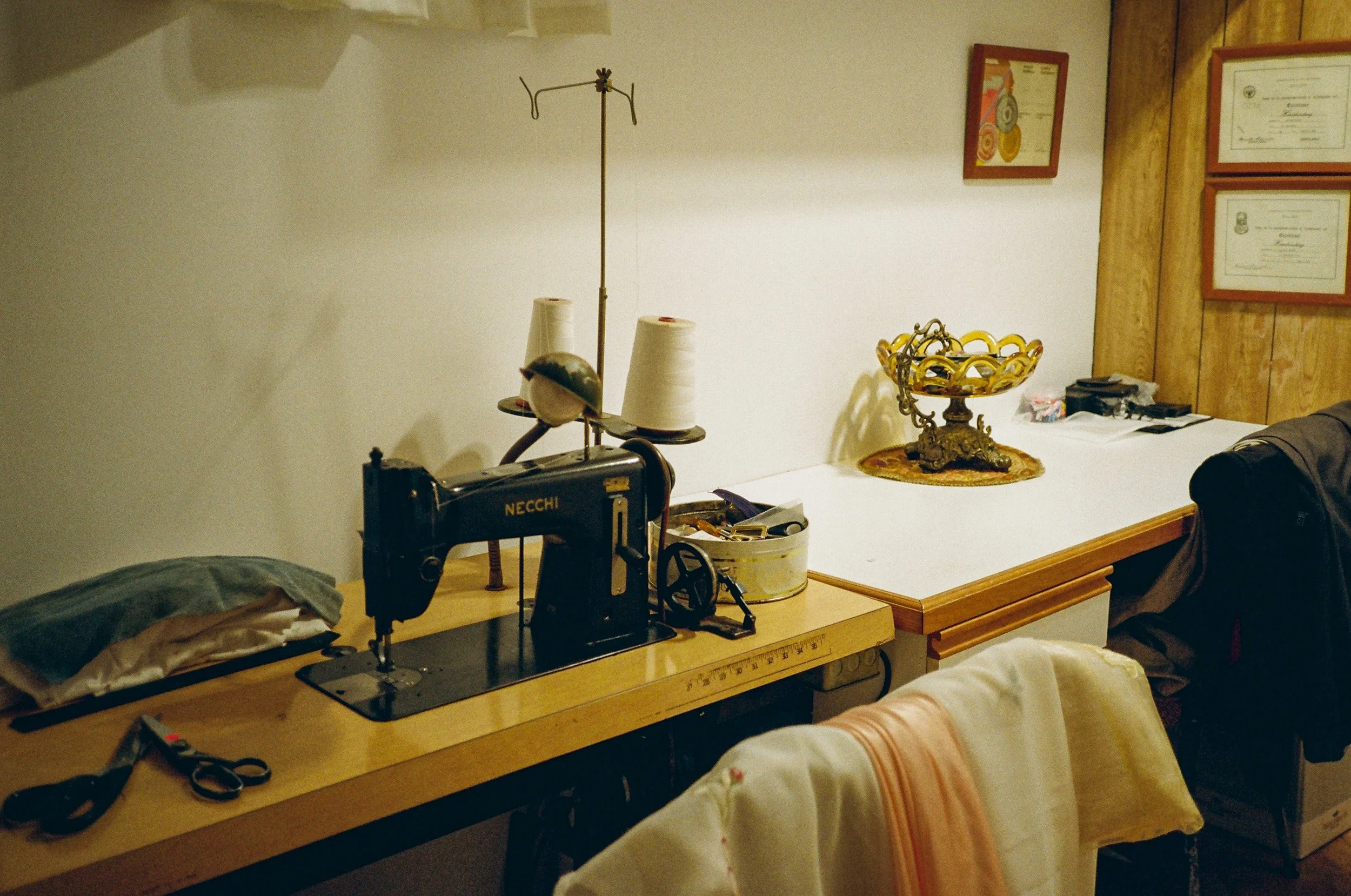
My nonno was a carpenter, while my nonna worked part-time as a seamstress, but above all she was the family's matriarch. After spending a few years in Ville-Émard, they moved to LaSalle, about fifteen minutes from the town where they had first settled. It was there that their great LaSalle adventure began.
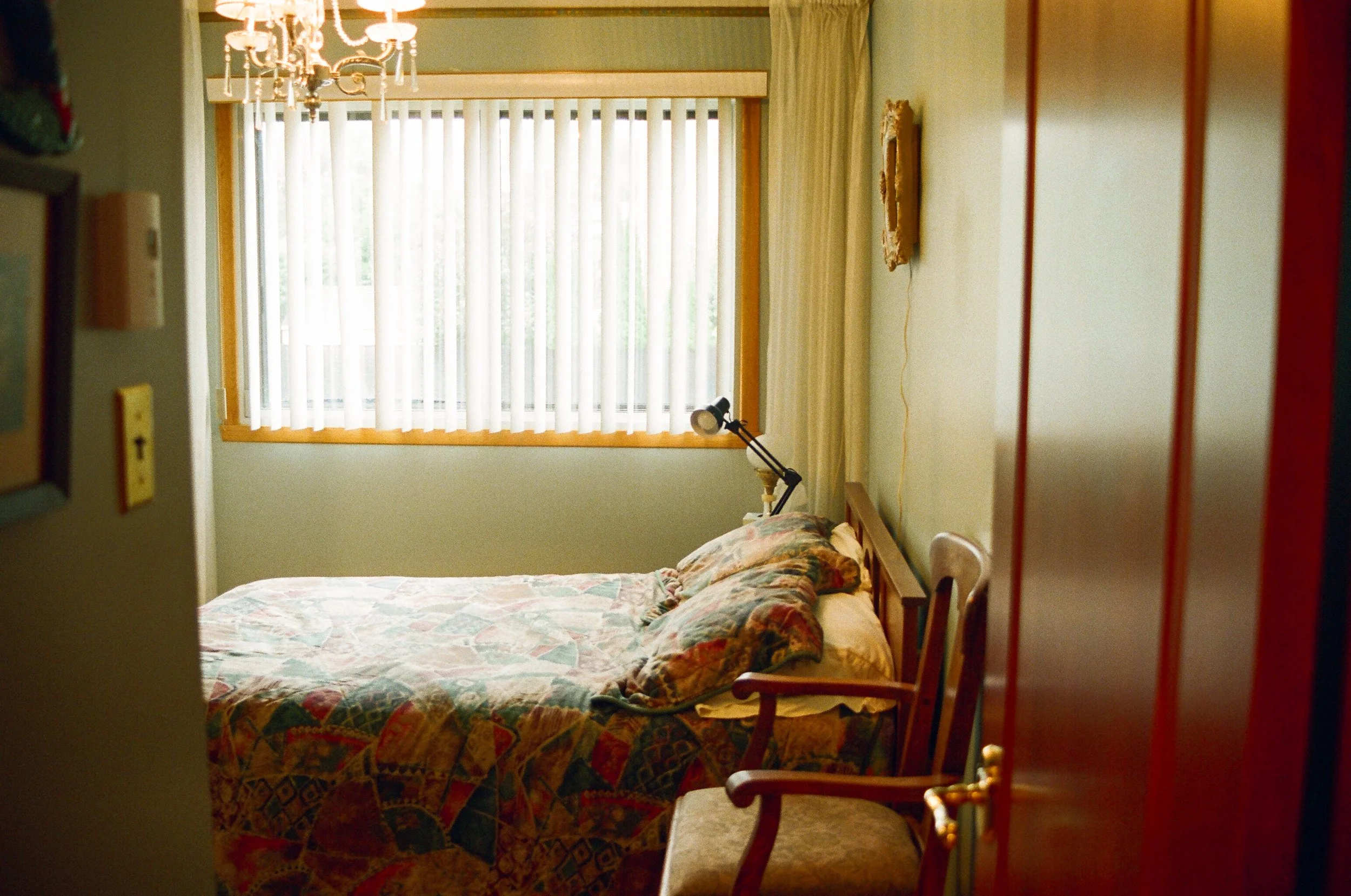
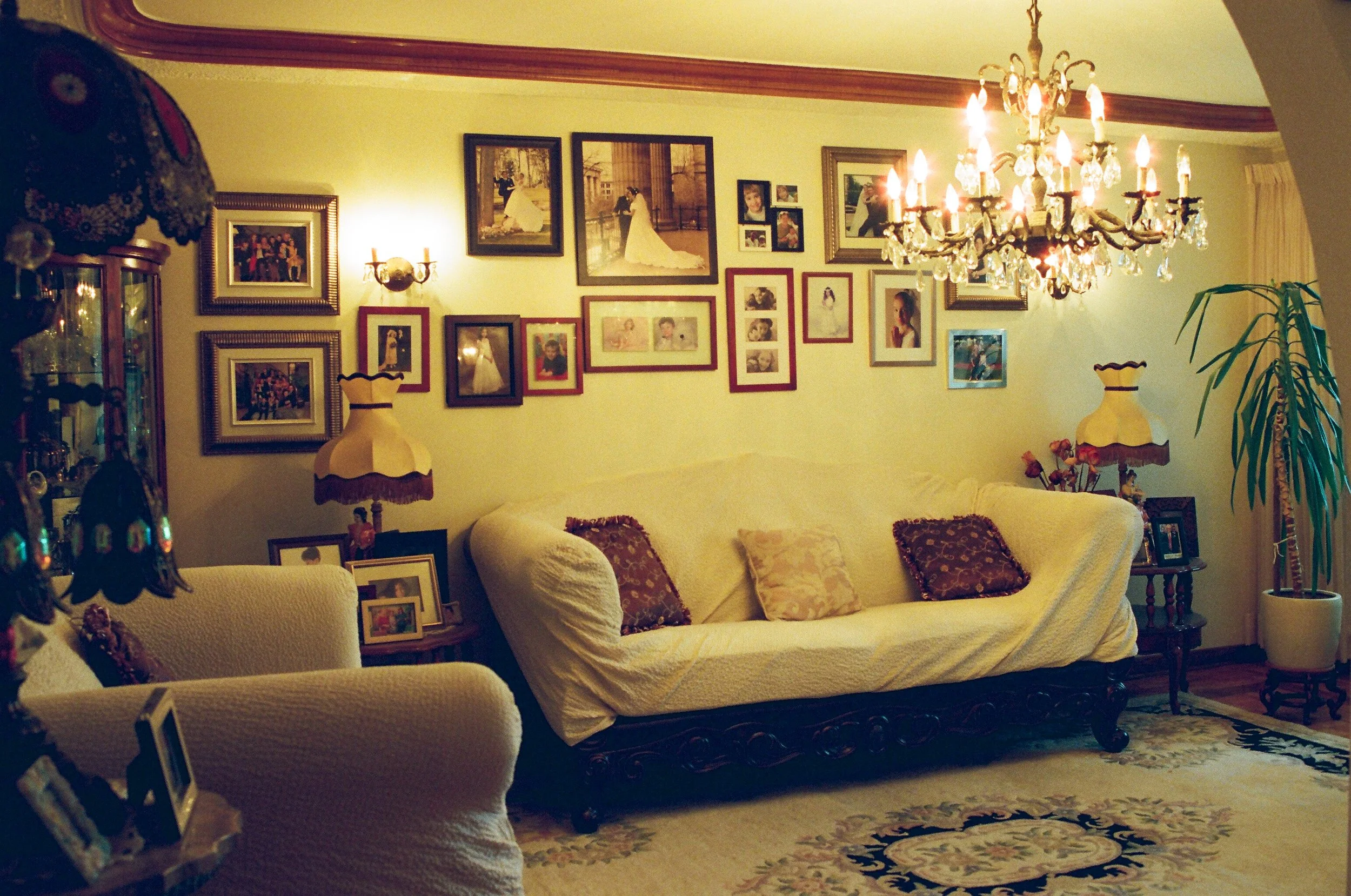
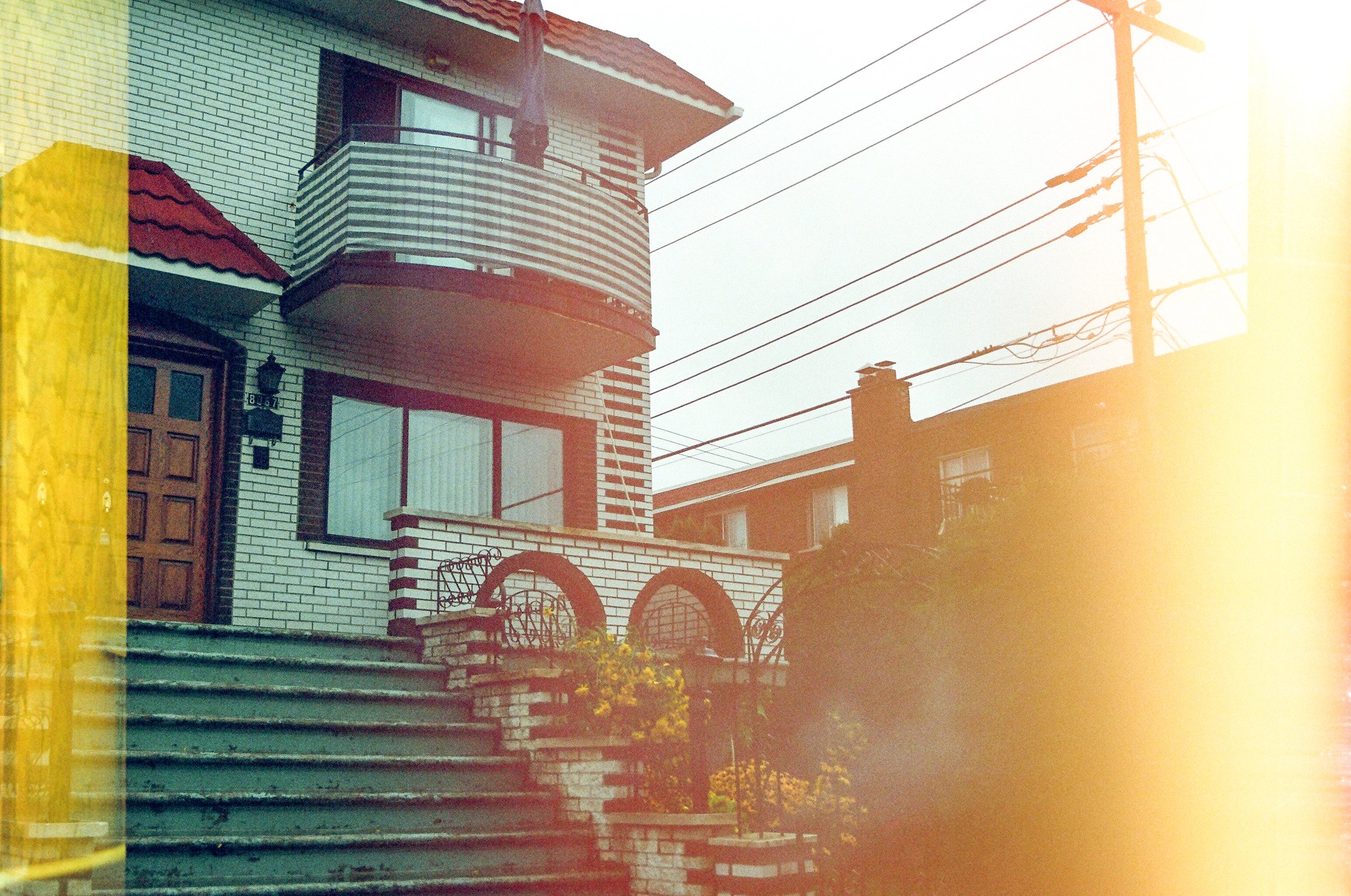
Léah Pitre-Gaspari & Sandrine Fragasso, Rue Centrale, 2024. Photo credit : Léah Pitre-Gaspari. © Courtesy of the artists, Montréal, 2024.
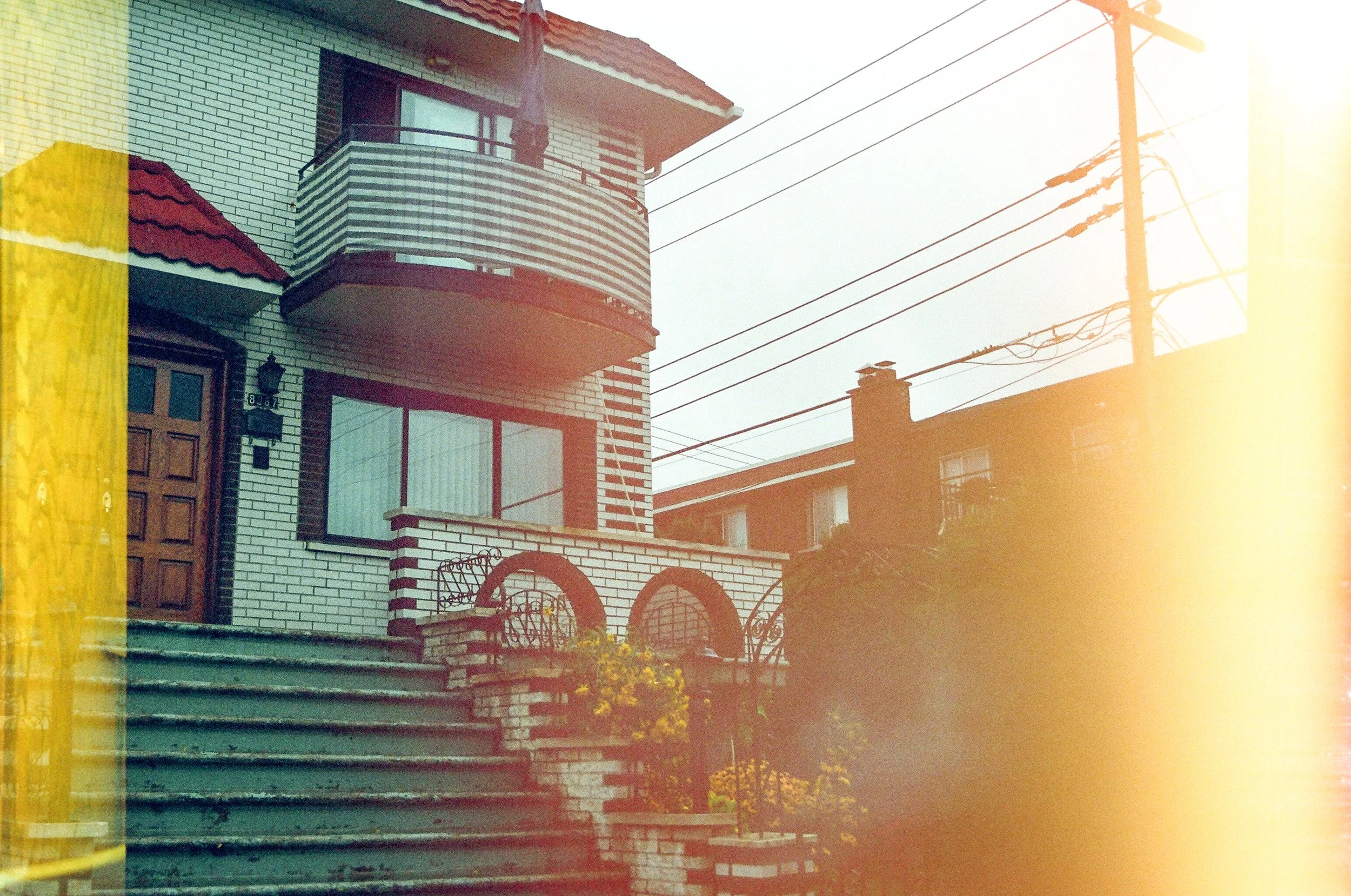
Beginning in the 1950s, many Italian families built homes inspired by the architecture of their homeland. My grandparents' house was one such example. The imitation terracotta red roof tiles symbolized quality and evoked the homes of their childhood. Between the 1960s and the 1980s, Mediterranean-style architecture became increasingly popular across North America. Wrought-iron arches, balconies open to the neighborhood where they could wave to their grandchildren and lion statuettes that appeared to roar from the bottom of the front steps all reflected this nostalgic longing. Needless to say, in Quebec these stylistic ambitions continued to be tested beneath the weight of winter snow.
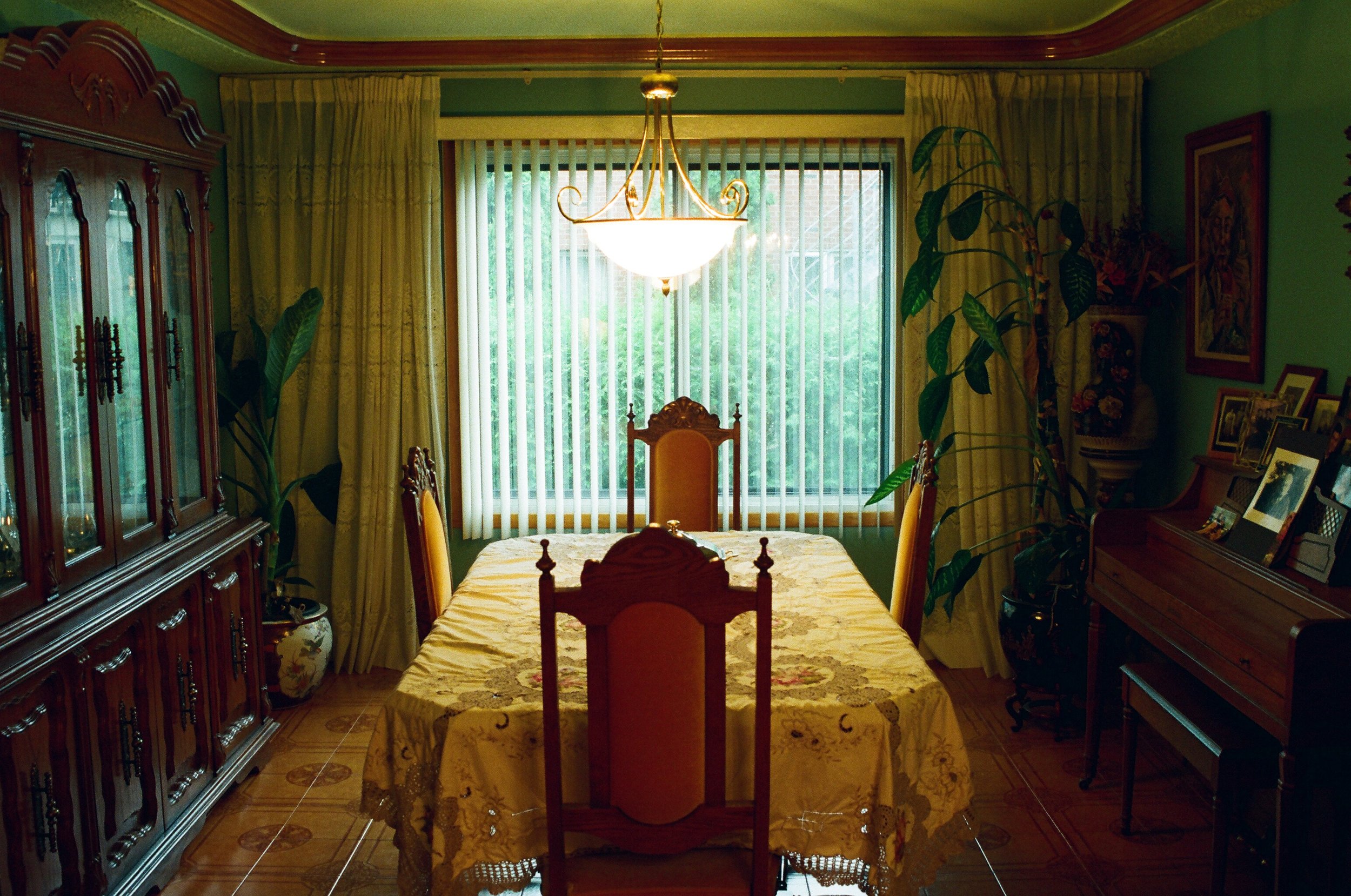
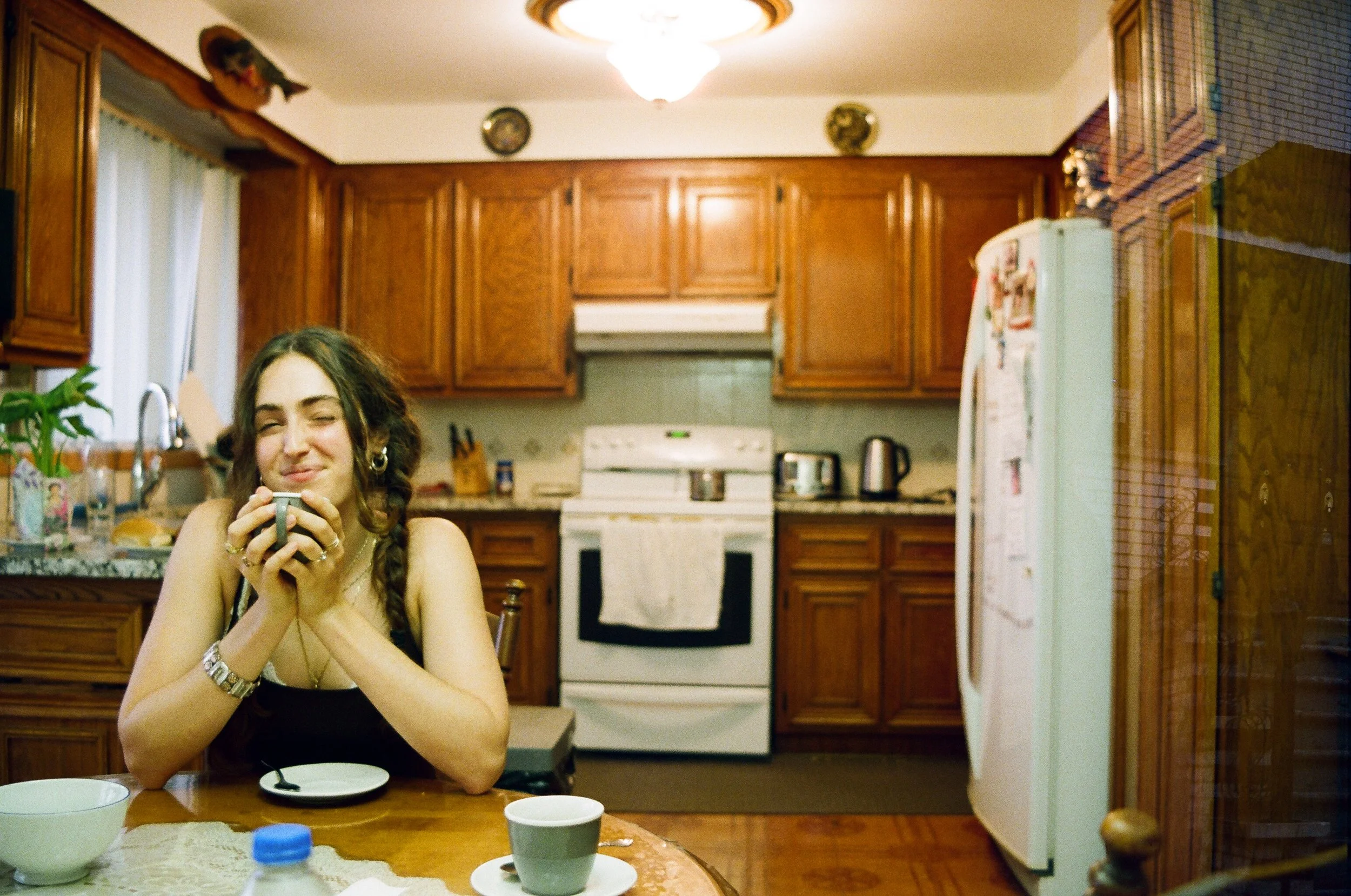
The moment you stepped through my grandparents' front door, the aroma of tomato sauce rushed into your nostrils, as though the house itself breathed in rhythm with its simmering pots. There was no escaping it when both kitchens were running, like a restaurant in the middle of the dinner rush. The interior bore witness to a bygone era—an Italy of the past. The popcorn ceiling, with its sprayed texture meant to conceal imperfections, seemed to transform before our eyes: at times it wept the sweat of my nonni's labor, at others it stretched into stucco sculptures reminiscent of a suburban Renaissance.
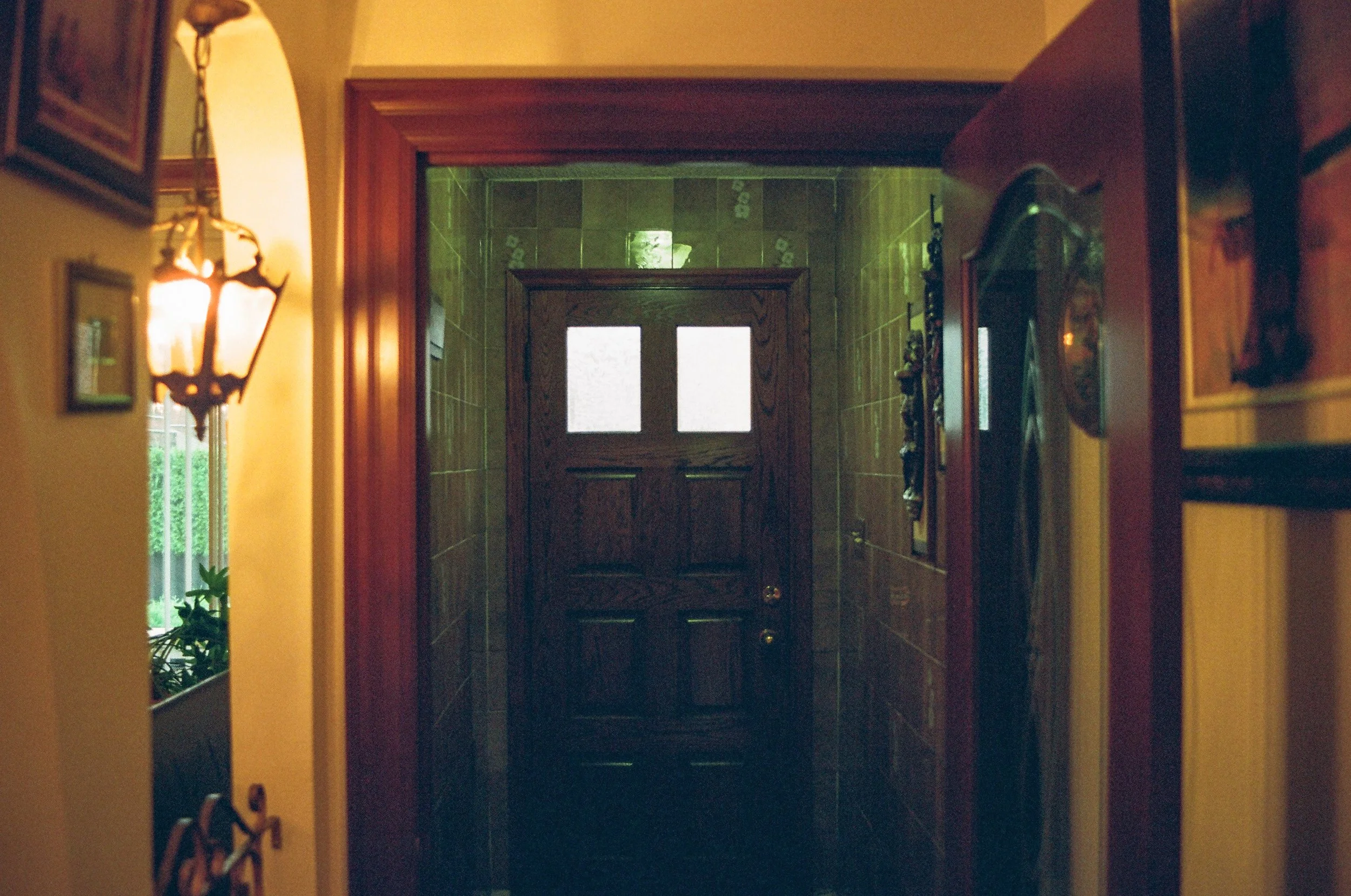
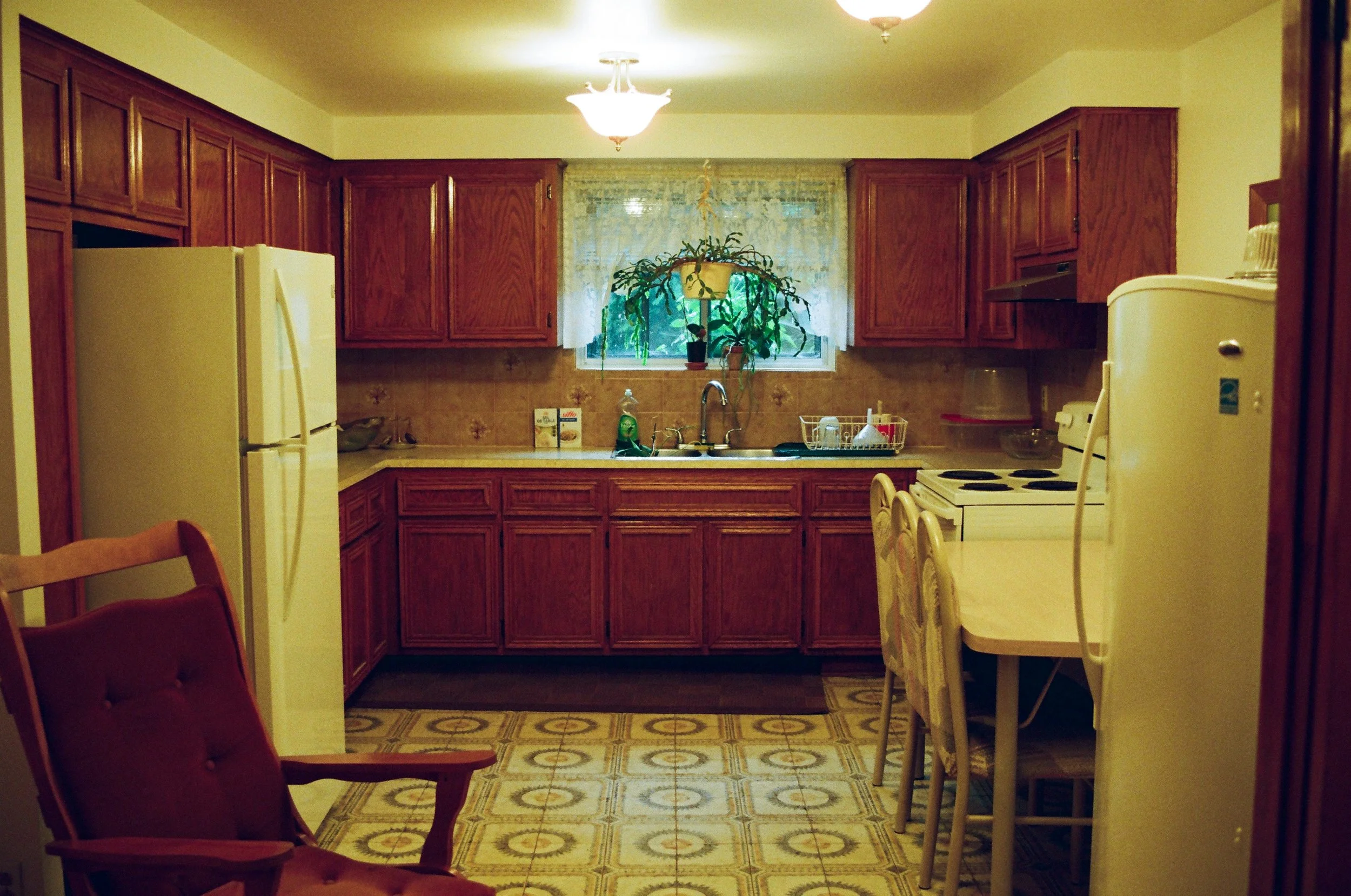
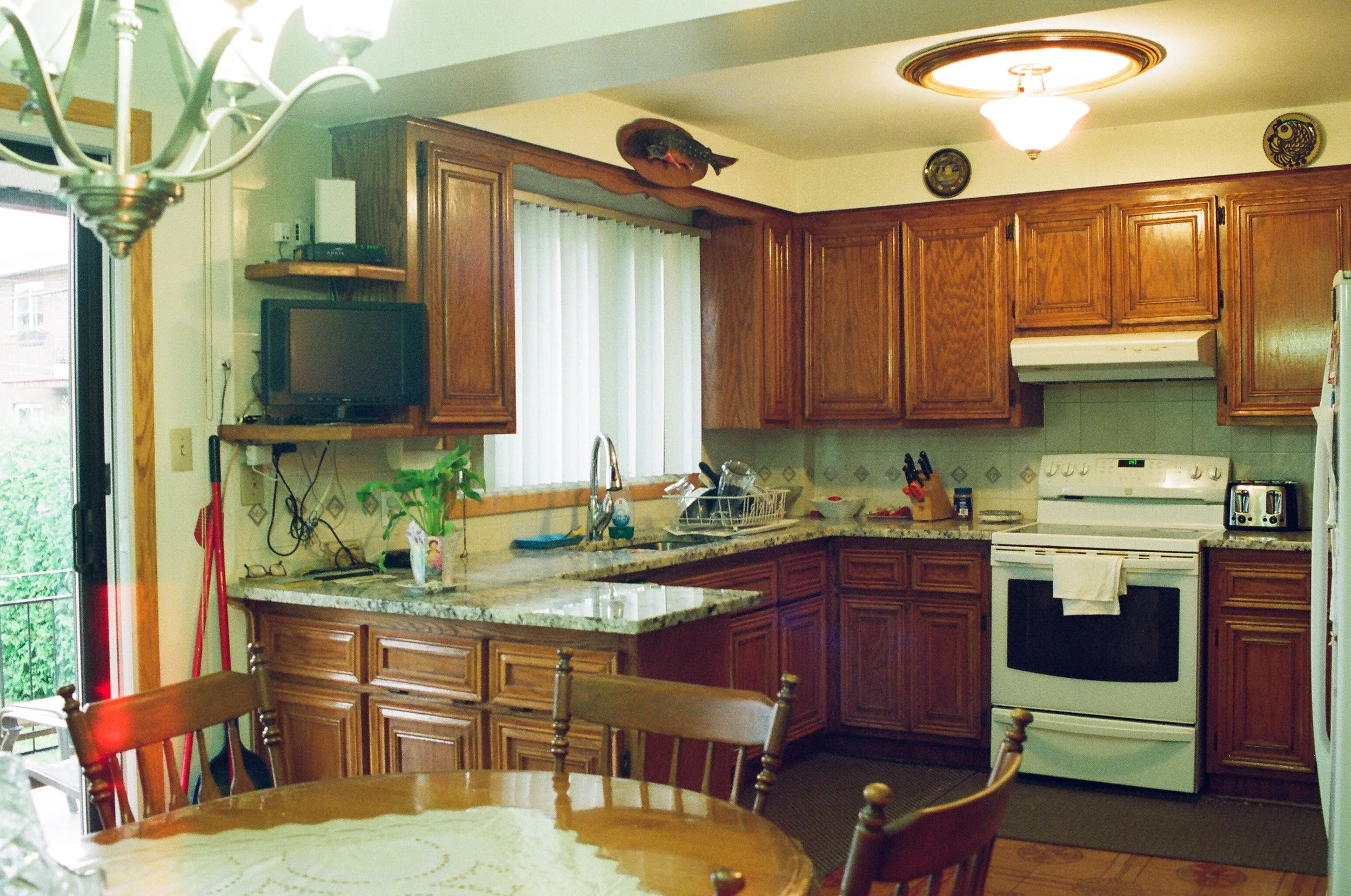
The retro flooring, typical of the 1970s and 1980s, combined with arches awkwardly imitating the splendour of Roman churches and with glass chandeliers, reflected not only an oversized ego but, above all, immense pride. Filled with an abundance of kitschy Neapolitan decorations—a glowing crucifix, statues of the Virgin Mary, costumed dolls, peperoncini, cornicelli and talismans meant to ward off the evil eye—the rooms became a jewel box of diasporic memory.
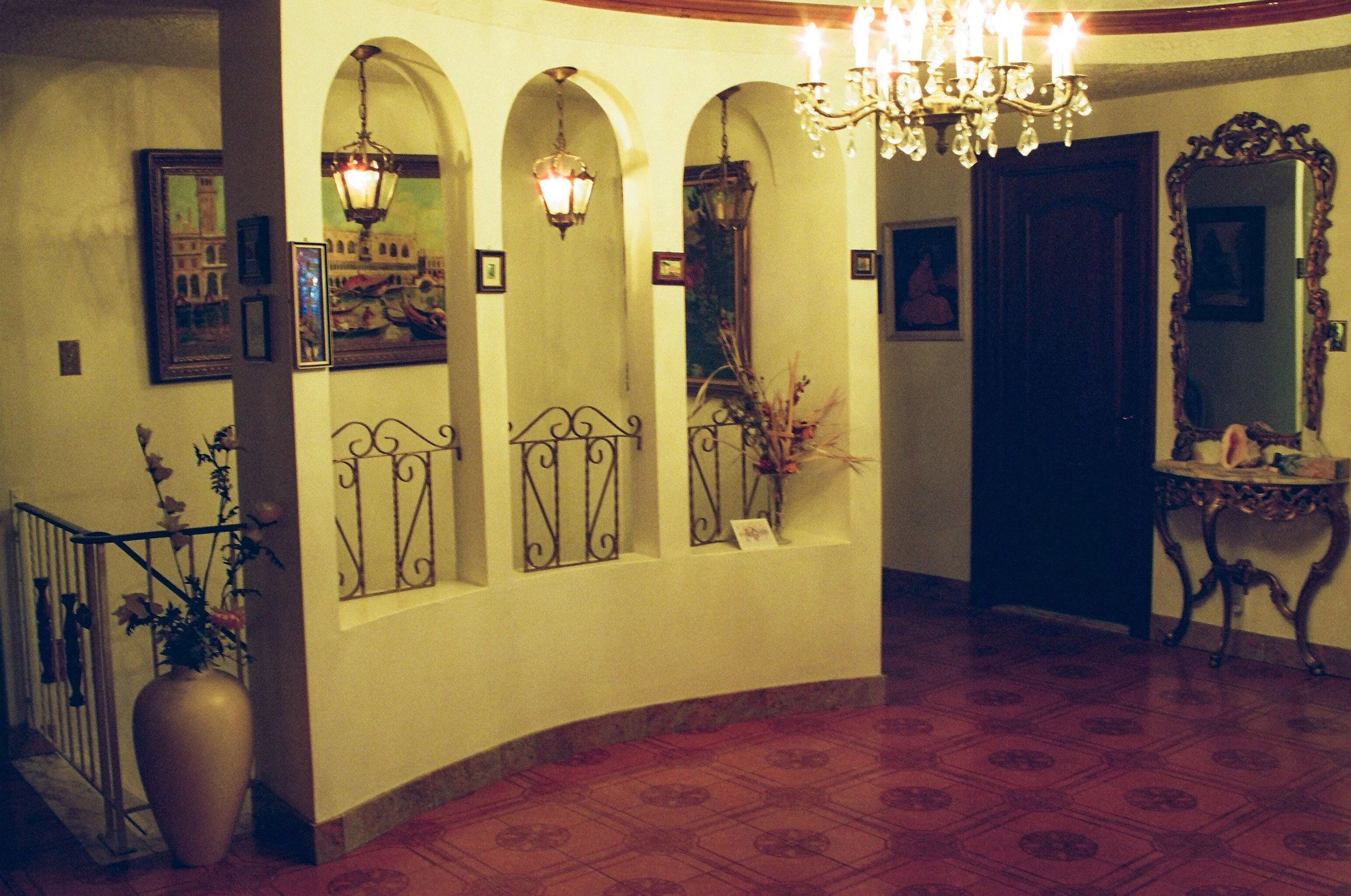
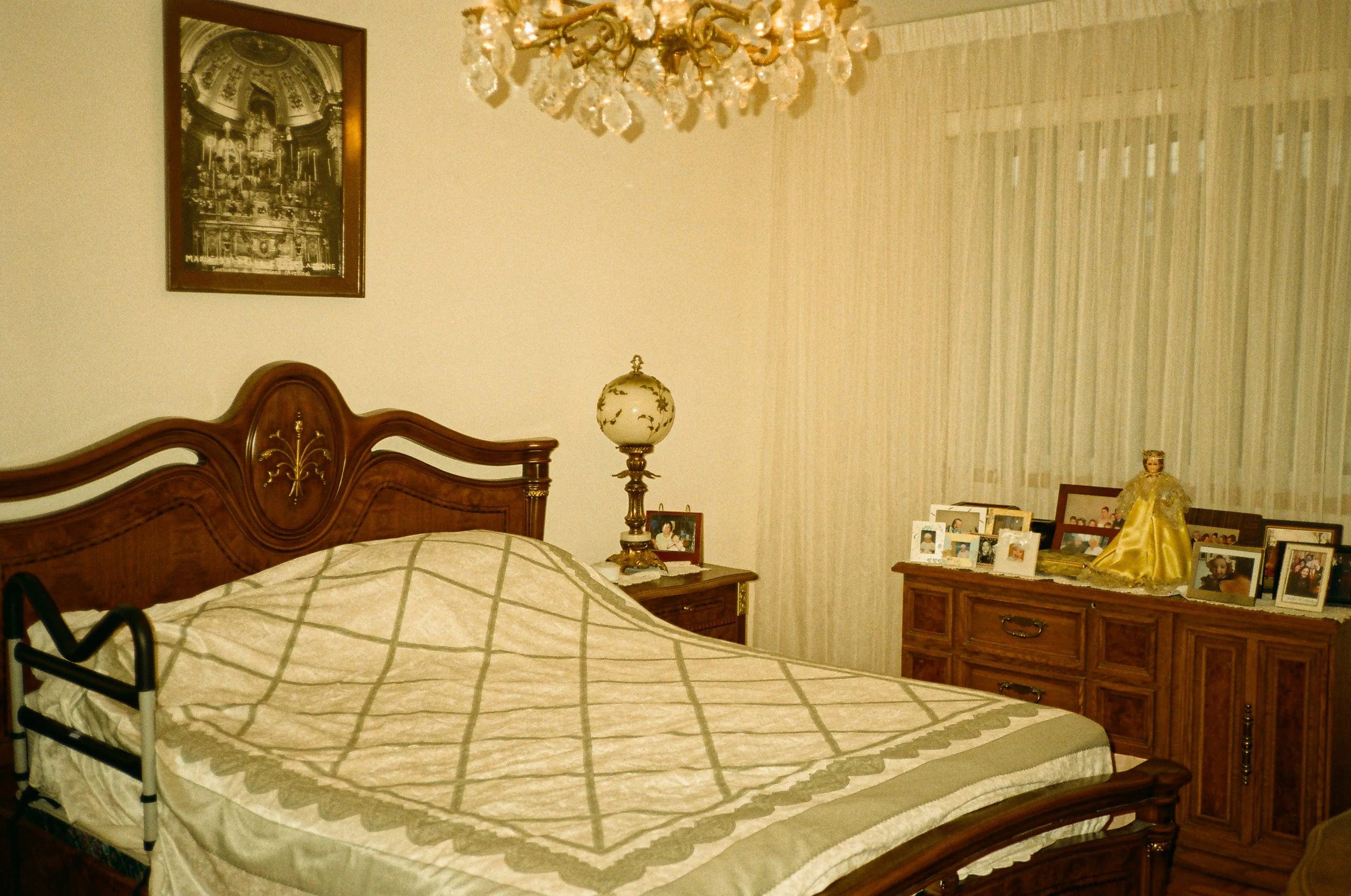
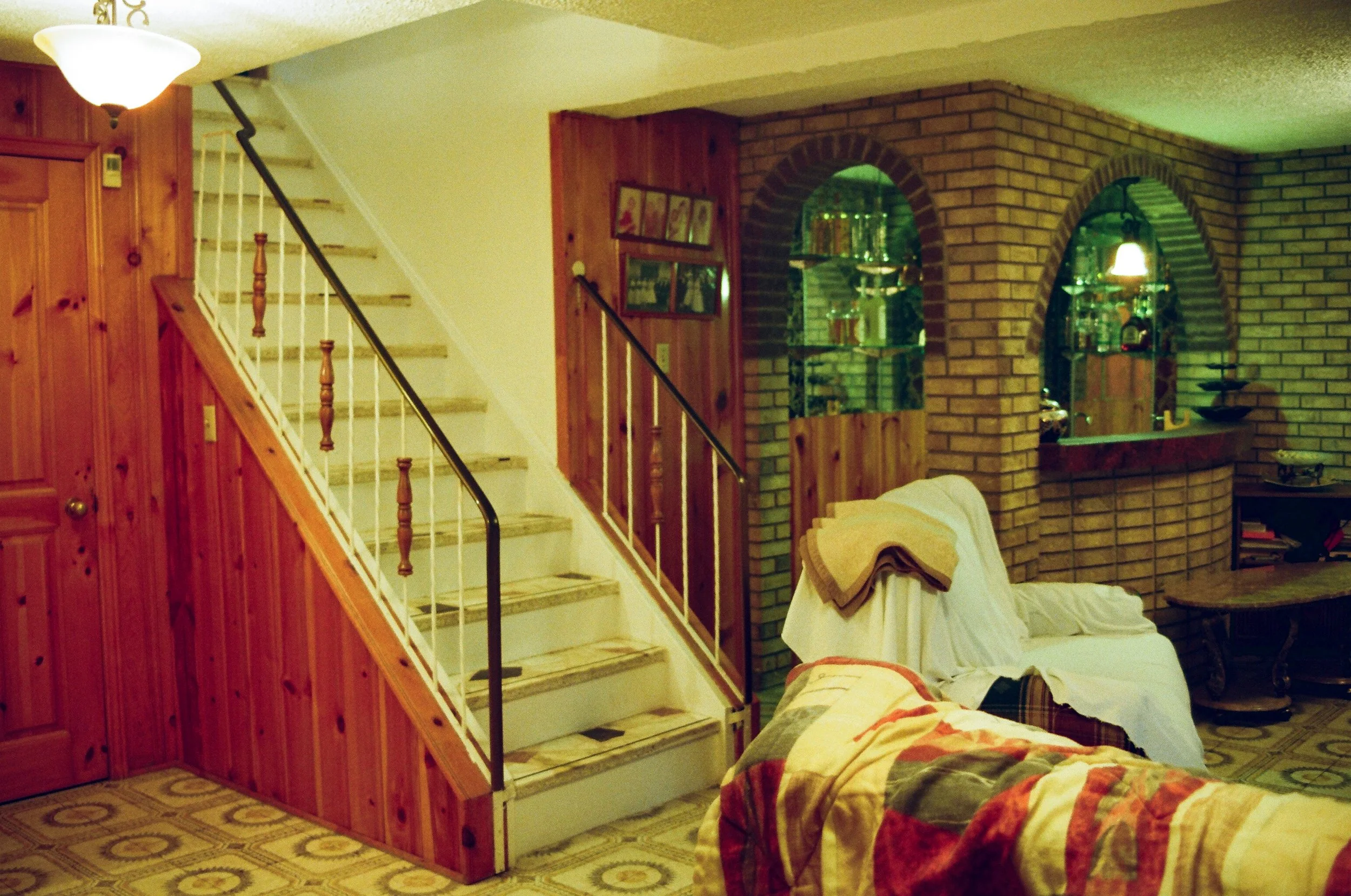
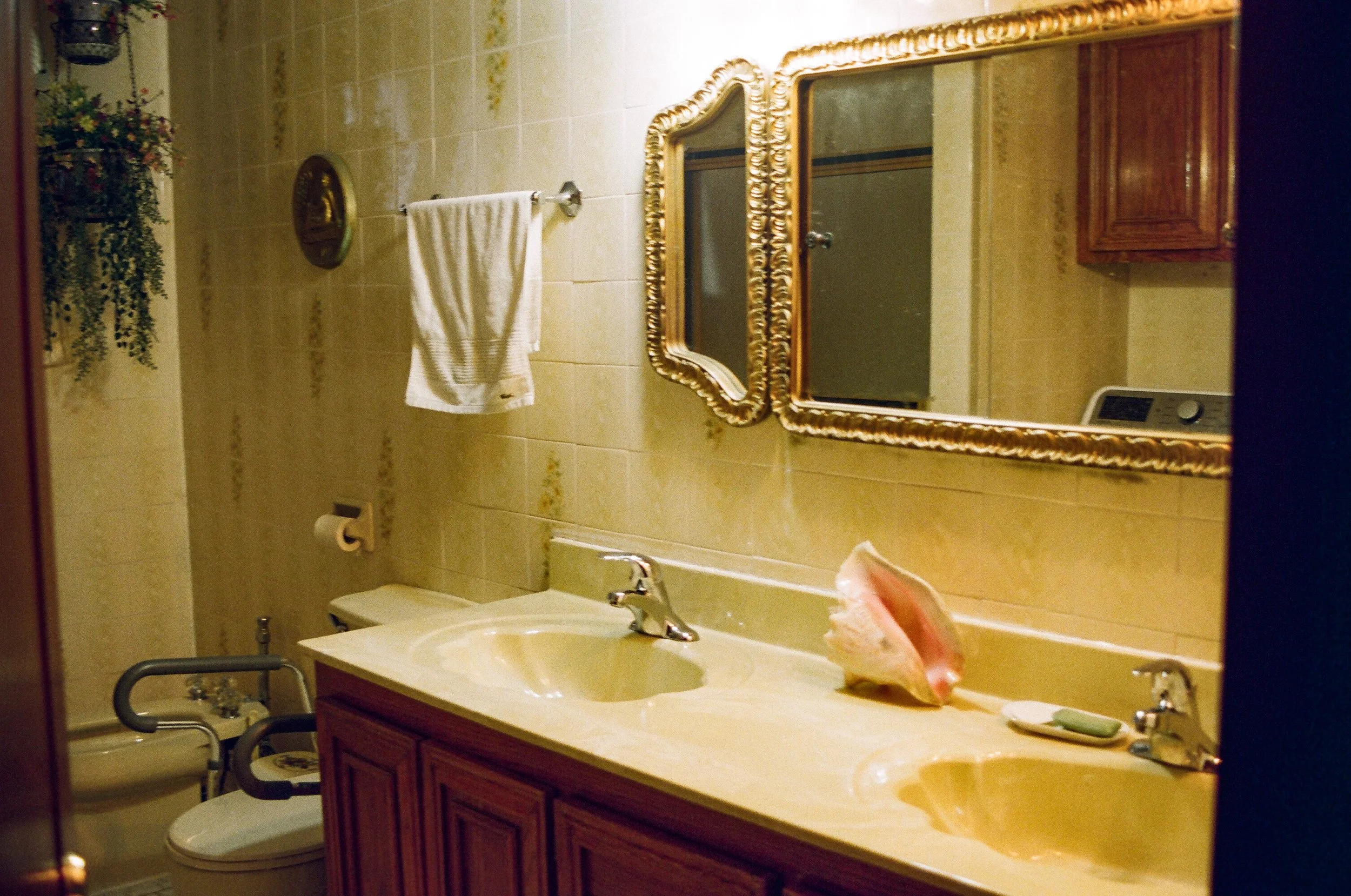
The furniture was equally bold. Some pieces seemed as though they had been produced by an endless copy-and-paste generated by artificial intelligence, so much did they defy logic; styles blended together and eras overlapped. Chairs built by my nonno, with their carved wood and upholstered oval backs, echoed the codes of the Louis XVI style, despite him having no knowledge of its historical references. In this way, my grandparents invented lives of quiet grandeur for themselves, like the king and queen of Rue Centrale.
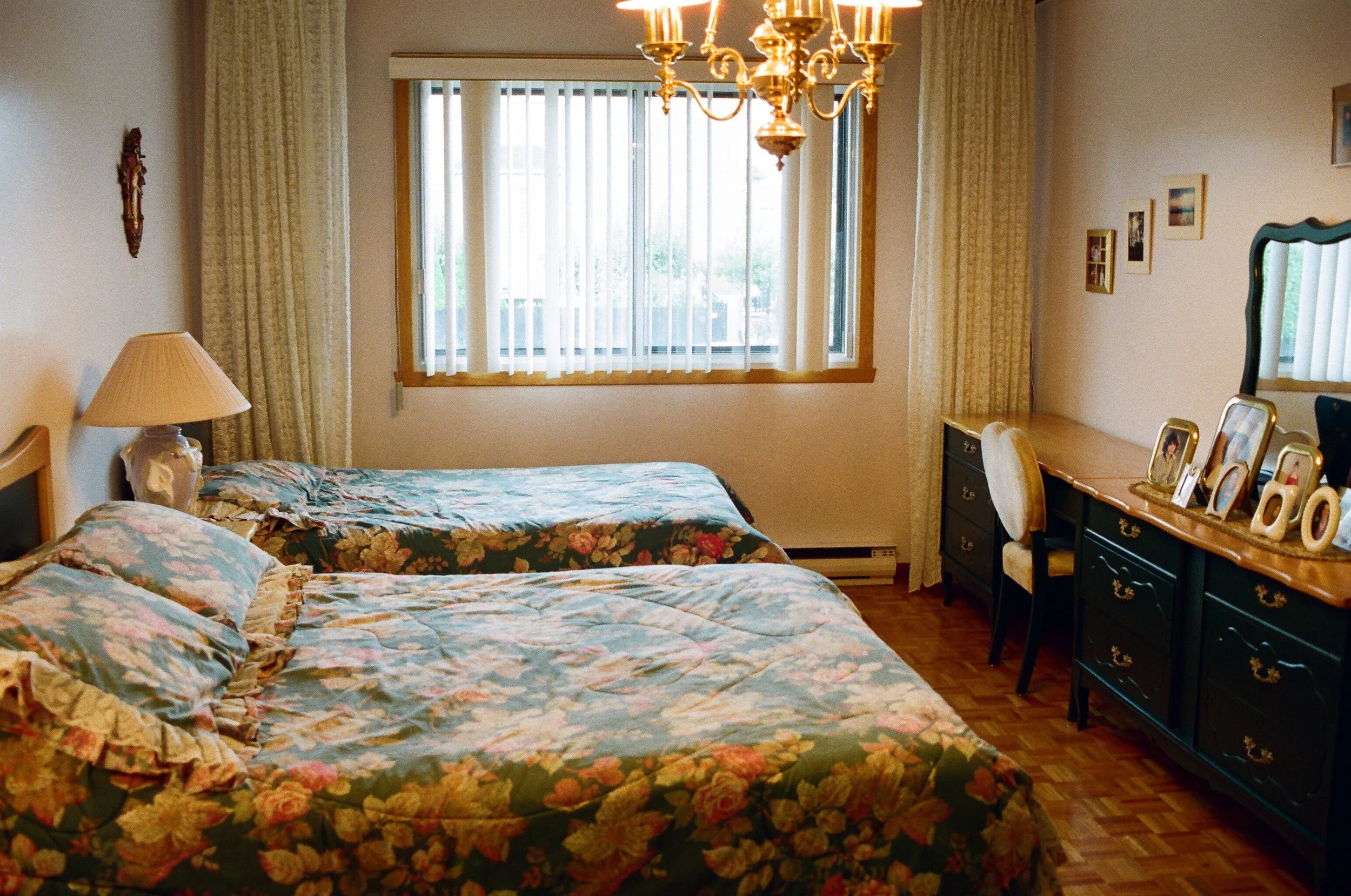
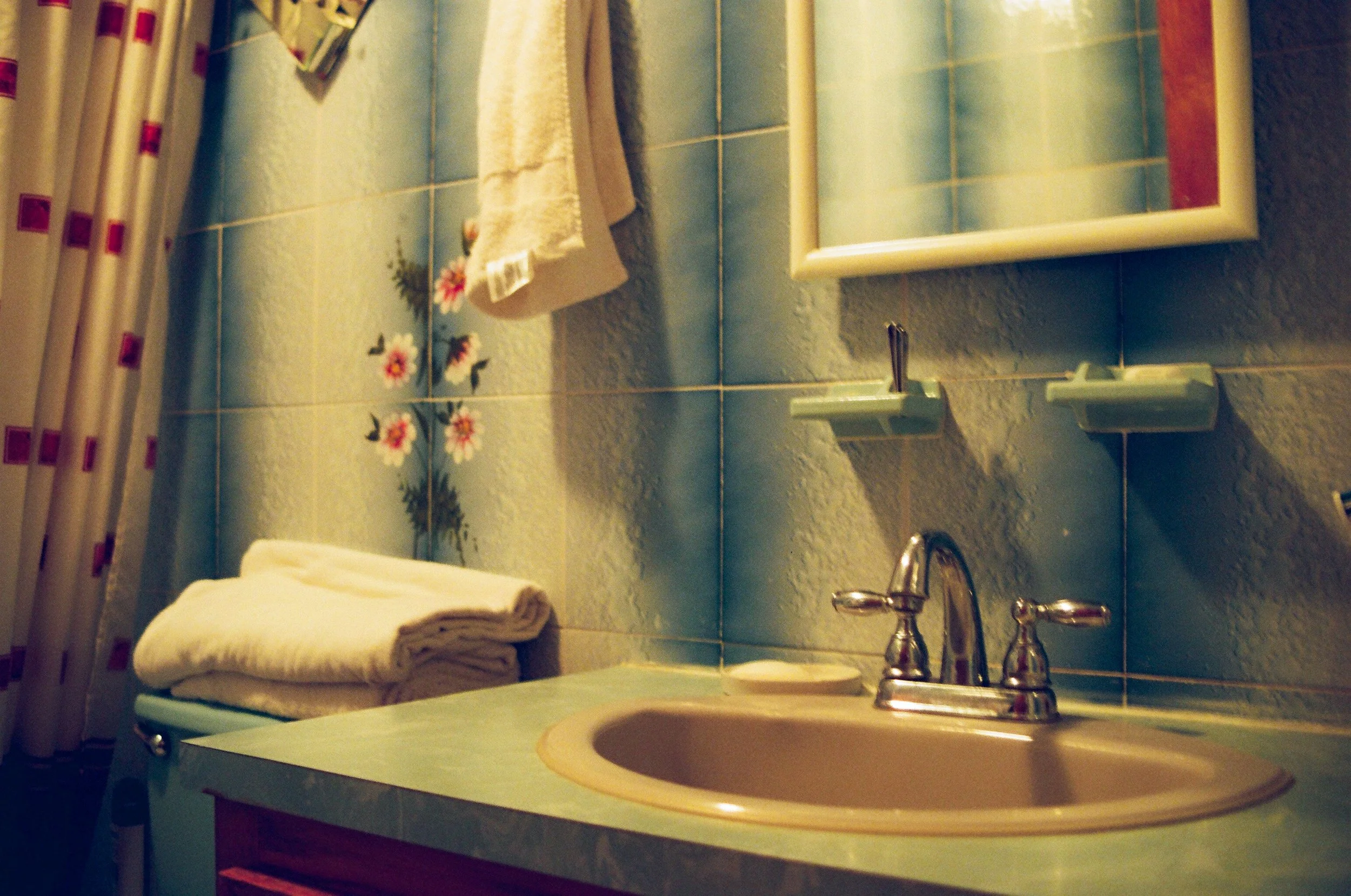
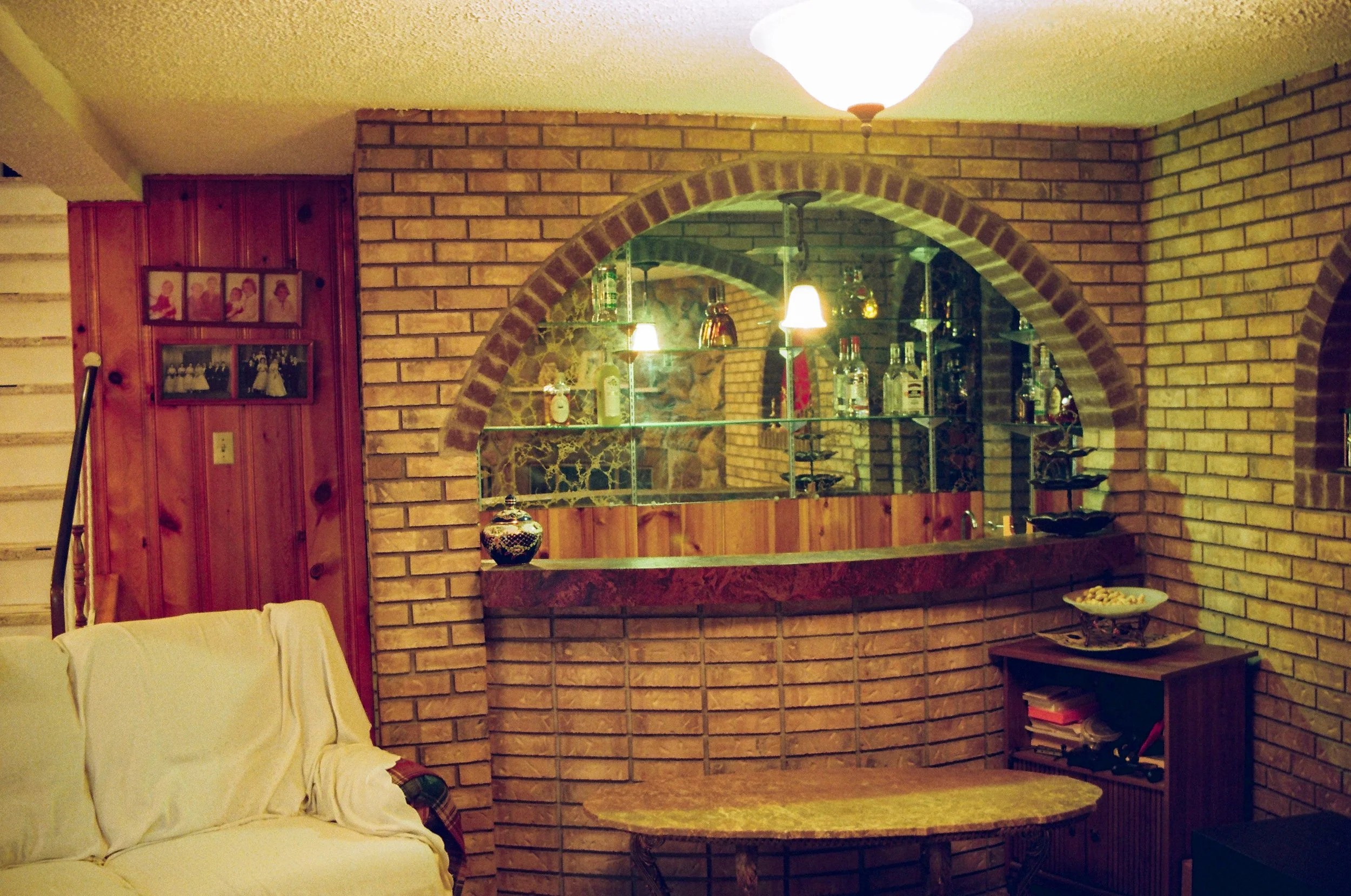
The salotto, meanwhile, functioned as a living archive where our family heritage was preserved. From the dustiest, most ornate picture frames to plastic Hallmark frames, my nonna carefully showcased every member of the family through wedding photographs, First Communion portraits and Confirmation pictures.
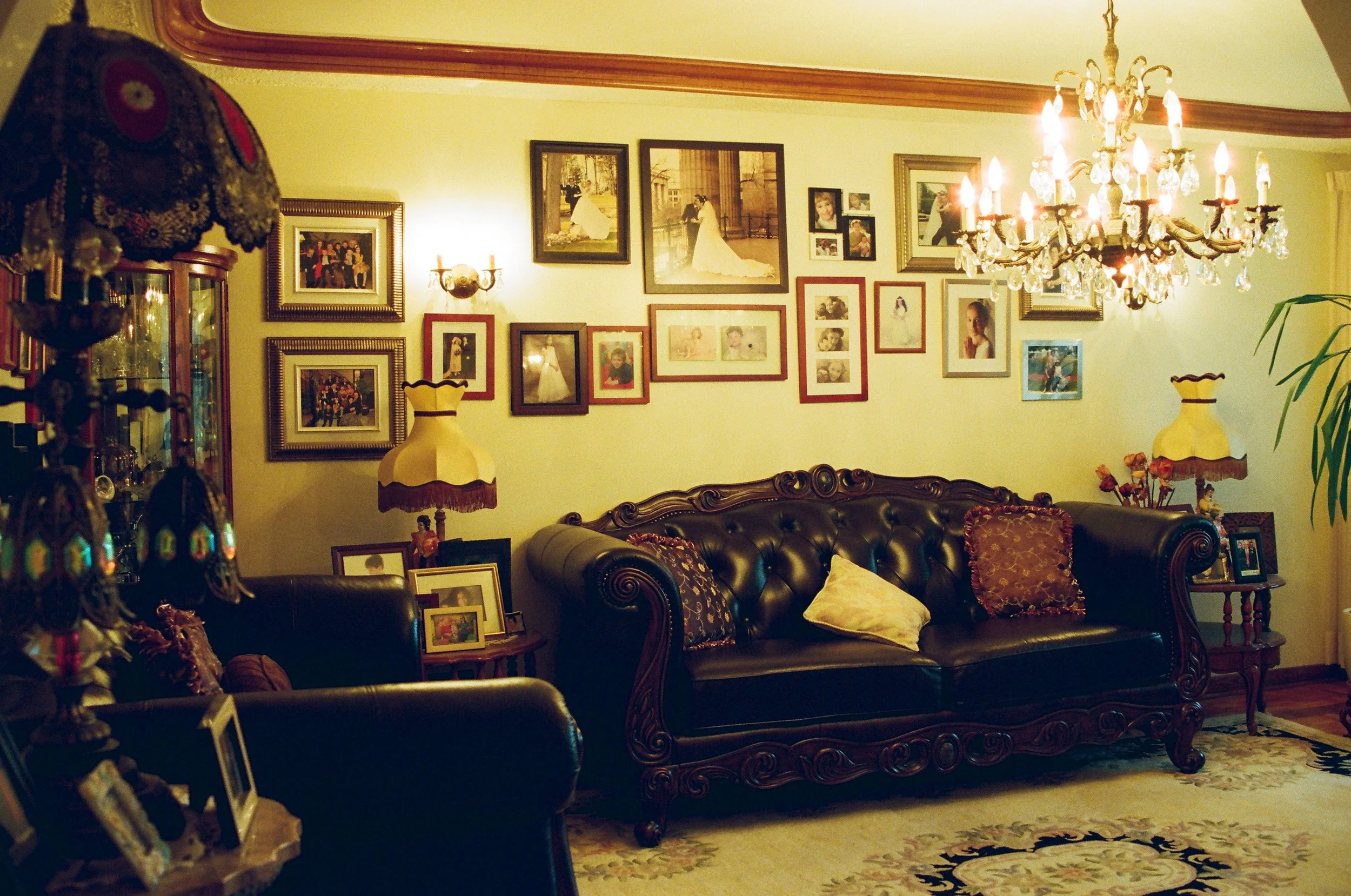
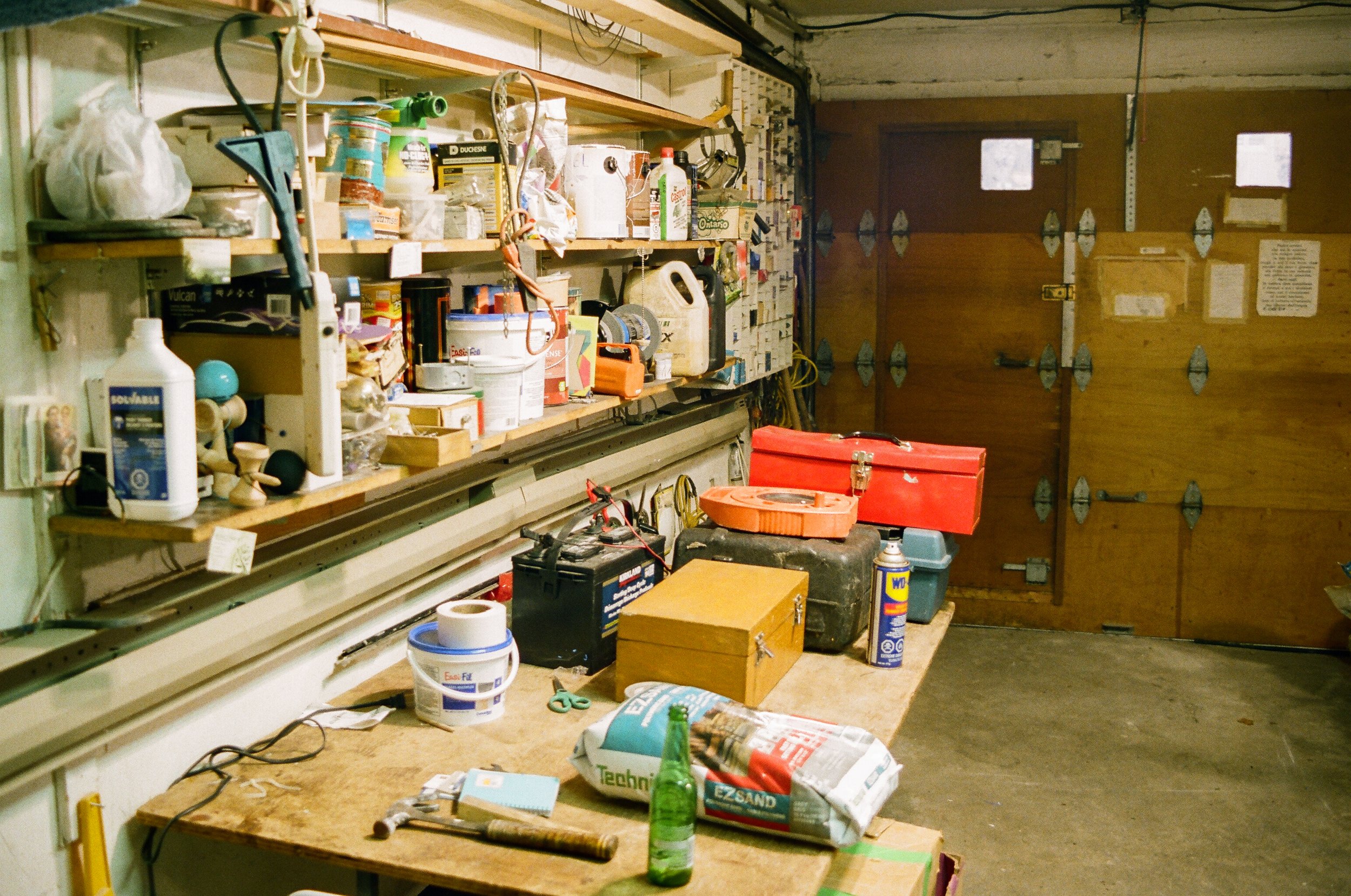
By contrast, my nonno's garage embodied the identity paradox of the Italian-Canadian community. While my nonna had refused Canadian citizenship, my nonno had fully embraced his Québécois identity.
In his workshop, a fig tree grew from an old blue recycling bin, while jars of tomato sauce stood like dismantled stained-glass windows. In the background, a weary snowblower lay dormant and winter tires seemed to suffocate inside giant plastic bags.
In the city's southwest, my grandparents were also able to cultivate a garden where they grew countless fruits and vegetables. My nonno tended grapevines to produce his own slightly too-bitter wine, which he carefully stored in the cellar alongside his prosciutto, maple syrup and other treasured provisions.
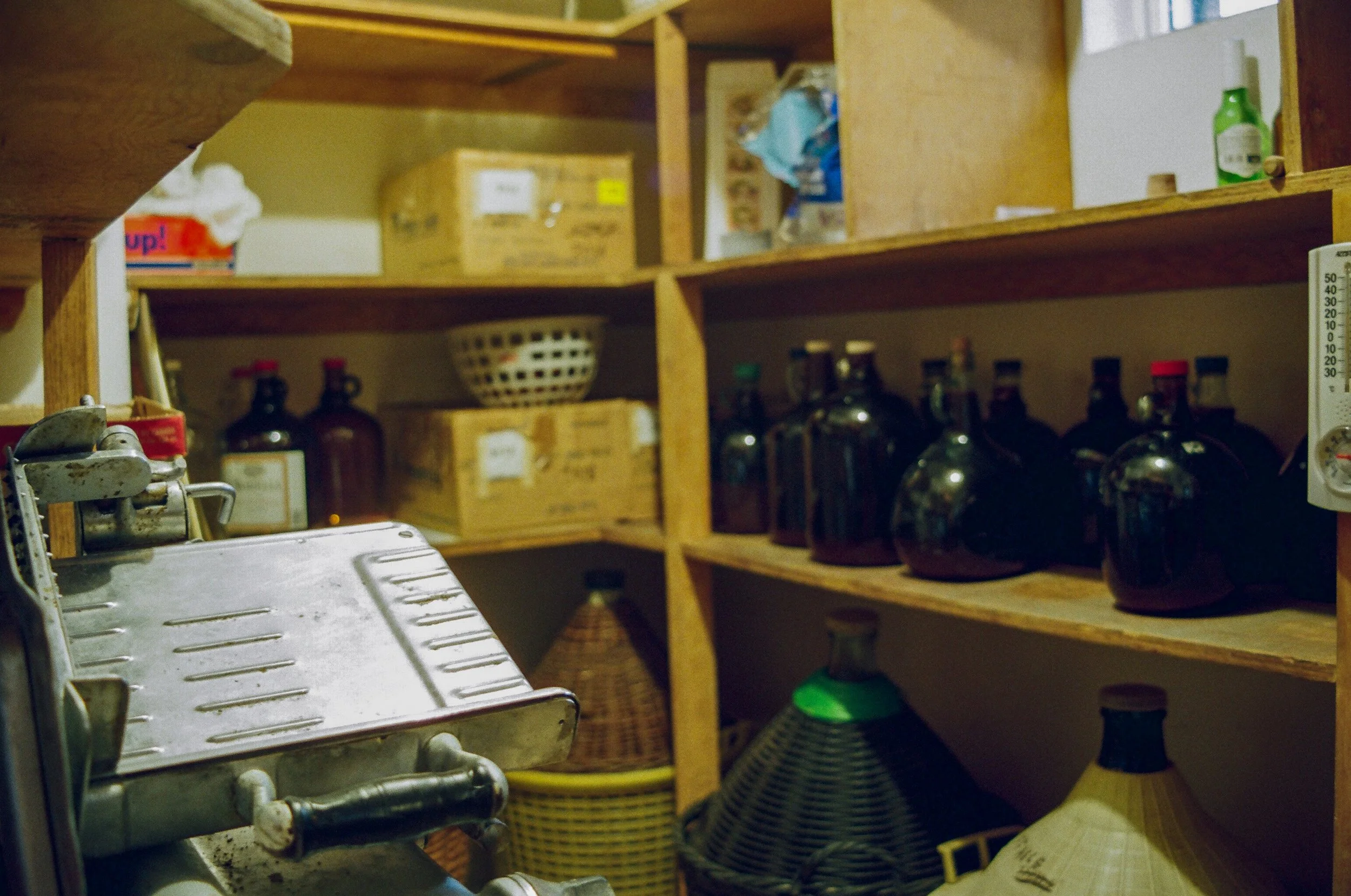
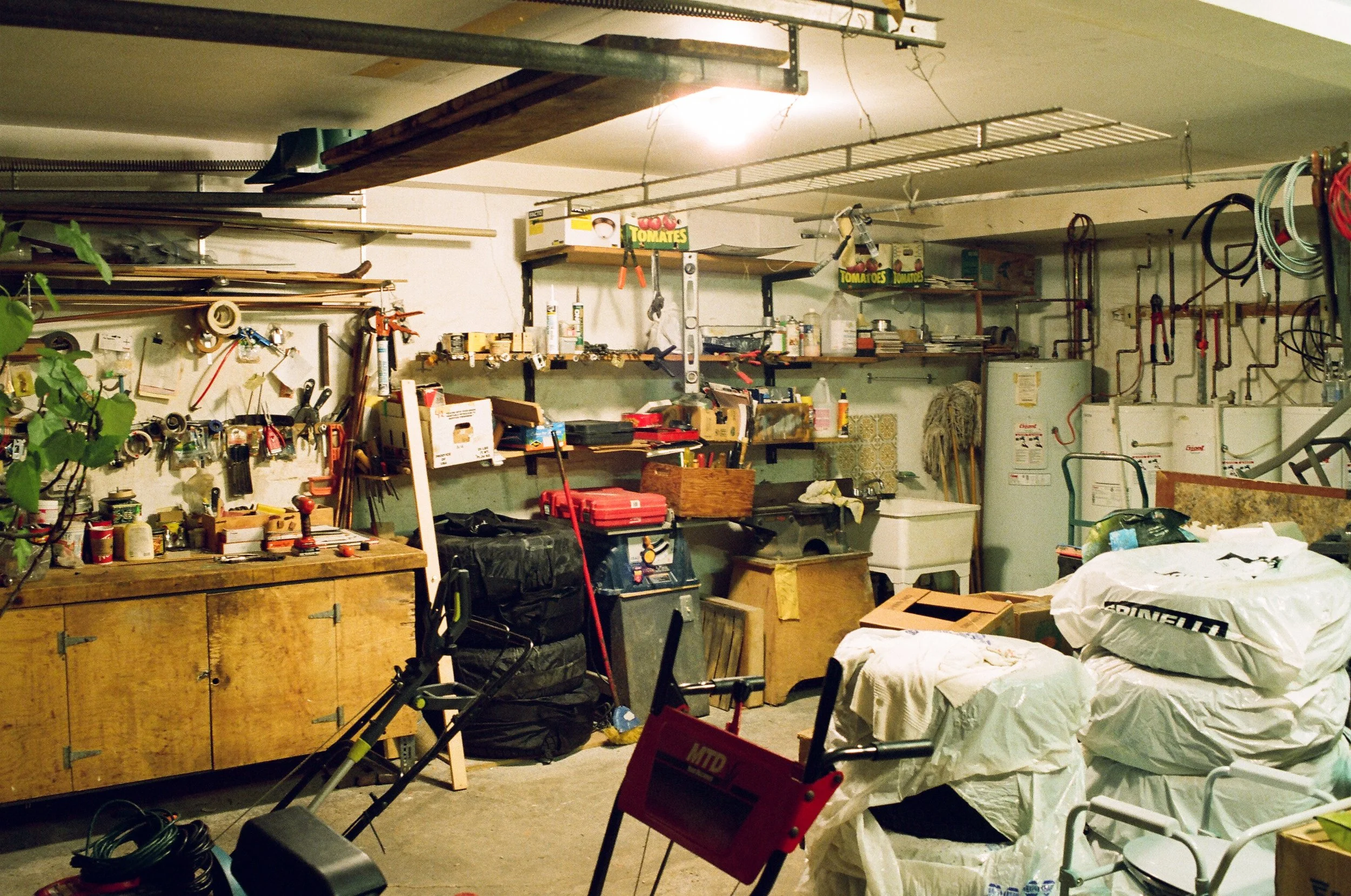
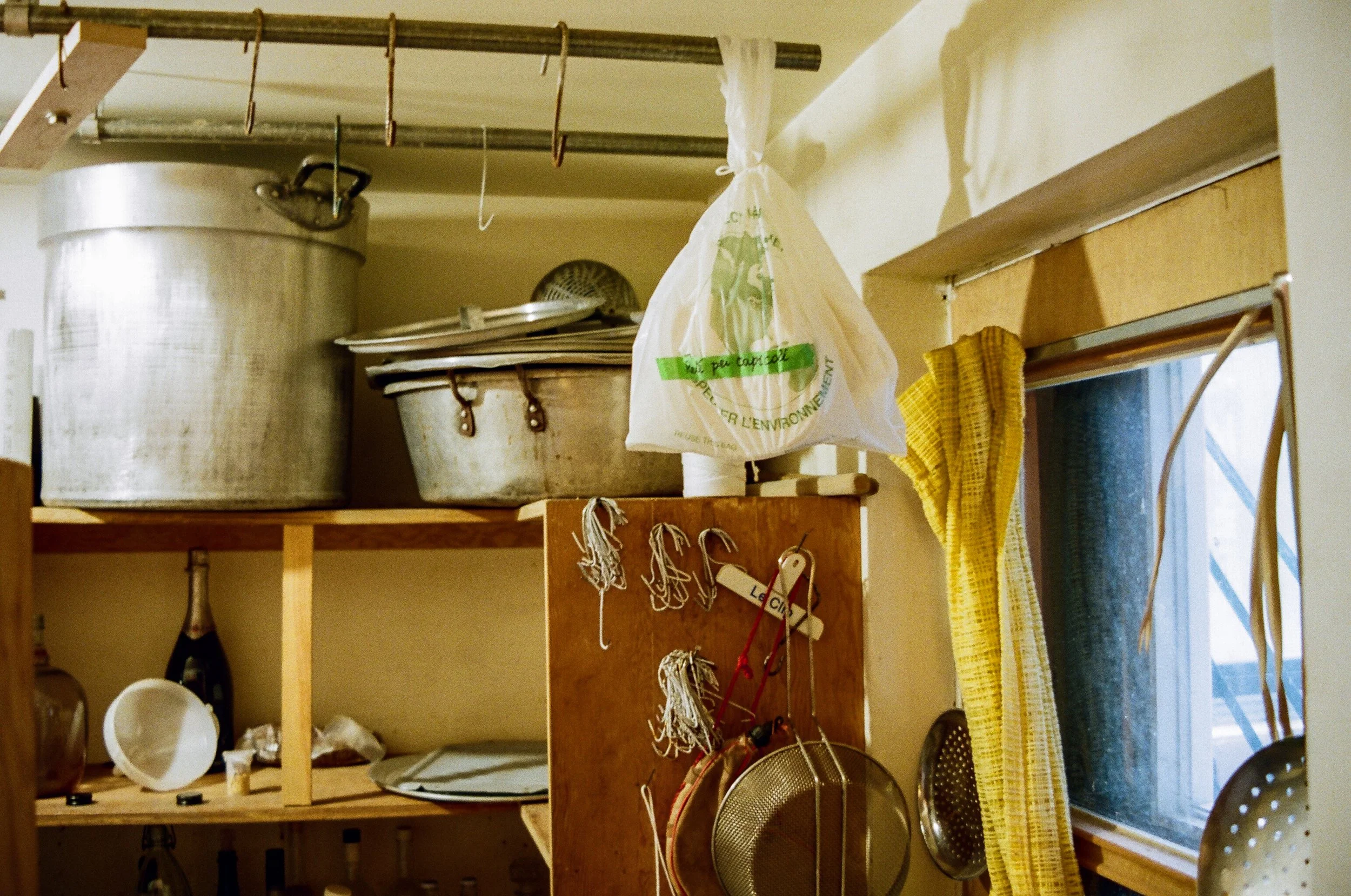
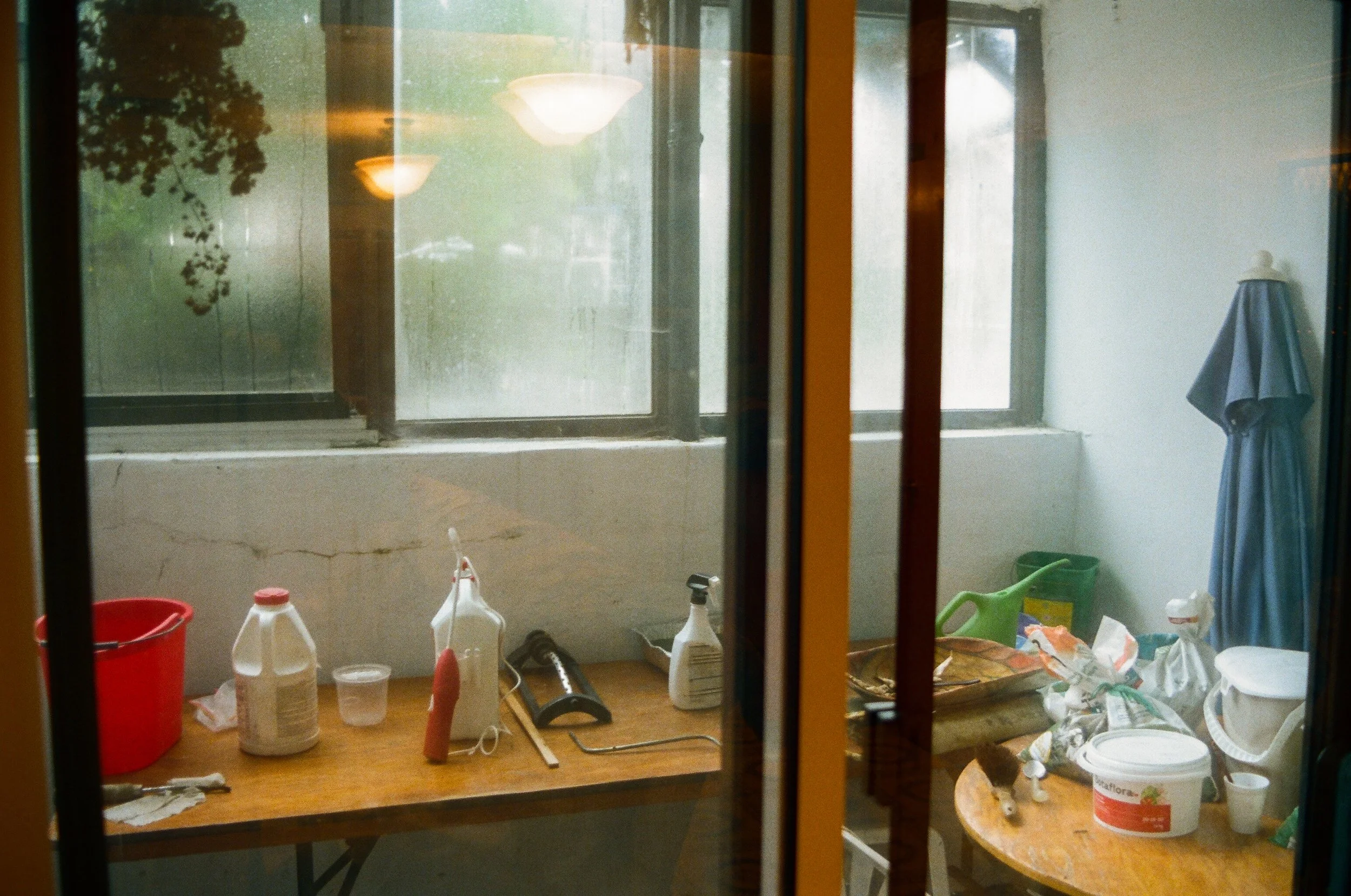
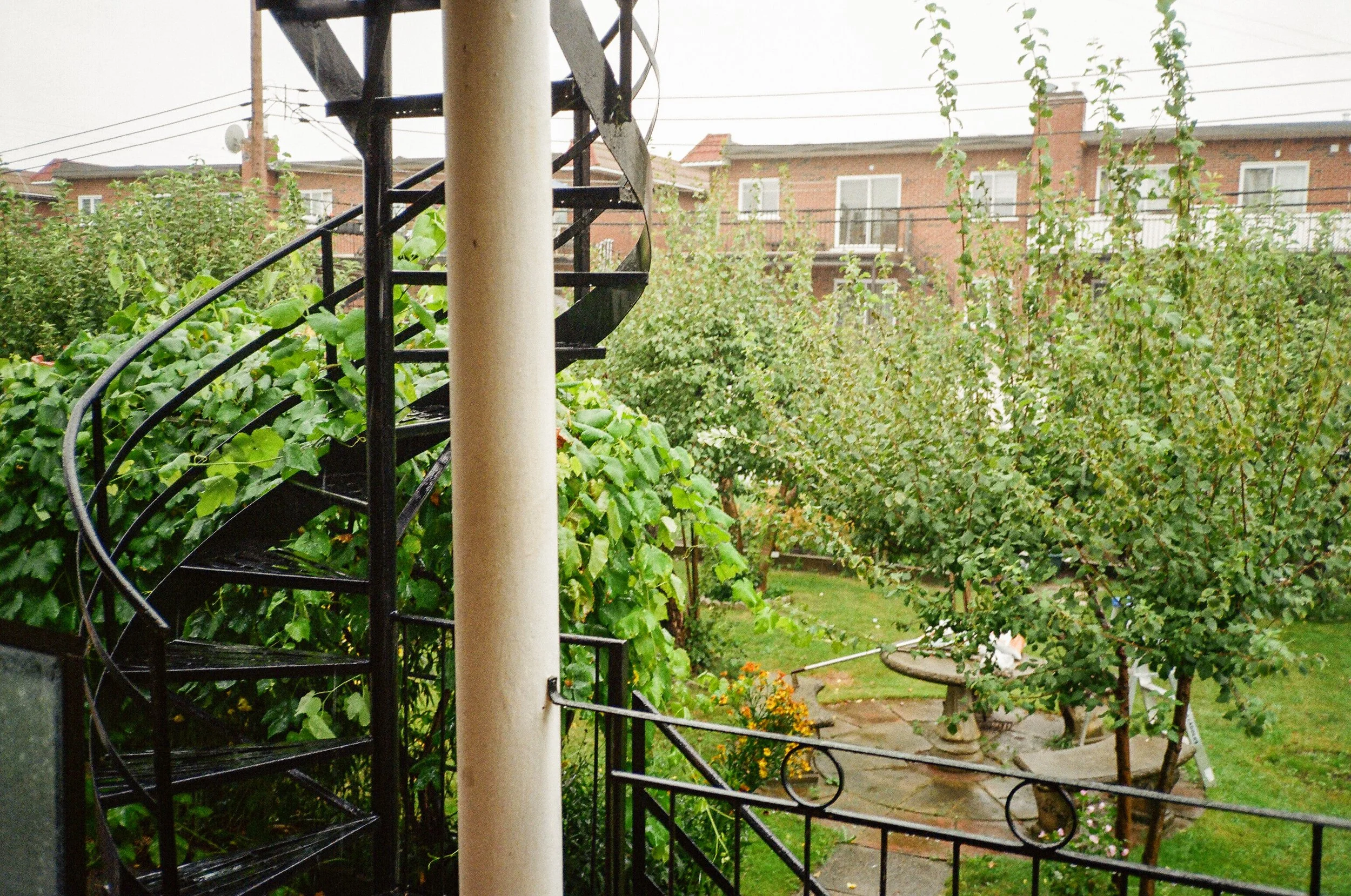
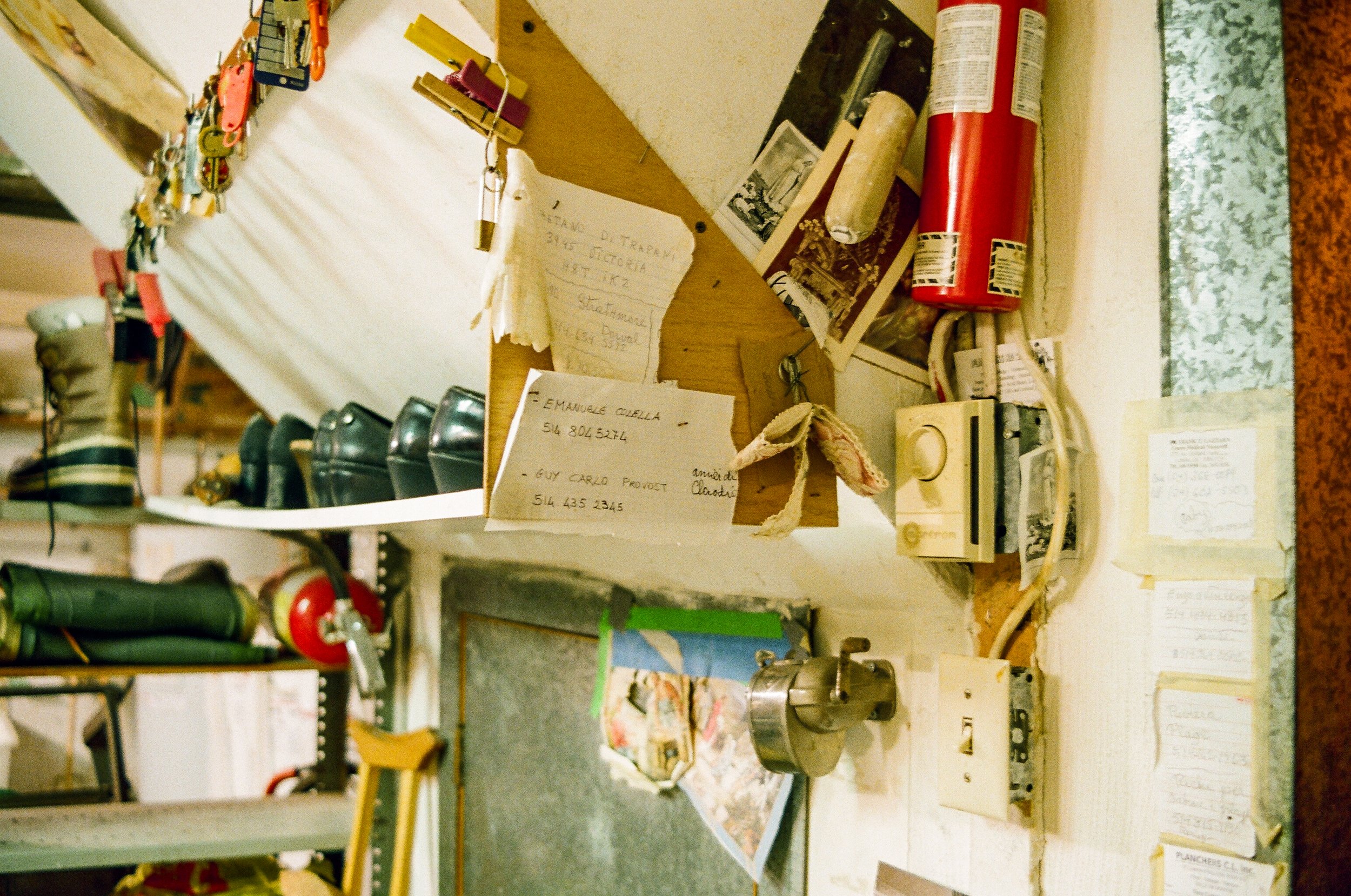
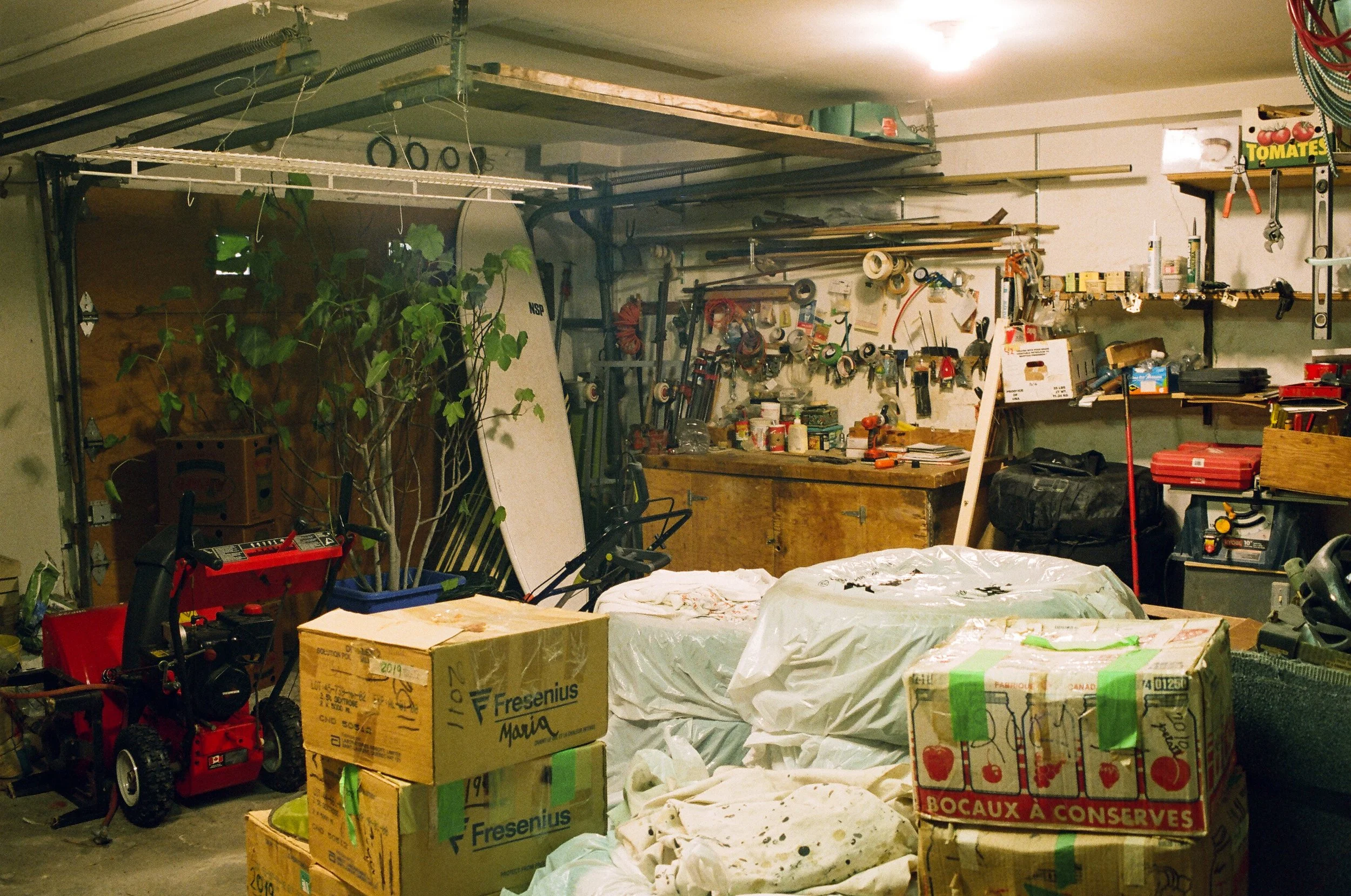
Knowing that this house would not withstand the passage of time, these photographs became an act of preservation. Since leaving our family’s hands, the home has been completely gutted and renovated. Sometimes I dream of a world in which the 110 Centrale bus could cross the Atlantic Ocean and drop me off directly in front of that old address, where my nonno would be waiting, asleep in his chair on the balcony. I like to imagine that his ghost is still sleeping there, and that my nonna's voice still whispers memories of life on Rue Centrale.
Today, ironically, I am writing these words in my own kitchen, in Europe, wearing her floral pajamas and her old Chinese mesh slippers, all while talking to Léah on the phone.
Text written by Sandrine Fragasso
Sandrine Fragasso
Based in Brussels and a graduate of the University of Montreal, École du Louvre, and Sorbonne University in art history and museology, with a specialization in the contemporary art market, Sandrine Fragasso approaches her work from a perspective that places education at the heart of contemporary art practice and discourse. She also works to promote the emerging art scene, with a particular focus on artists from South America and Canada.
Léah Pitre-Gaspari
Based in Montreal and a graduate of Concordia University’s Mel Hoppenheim School of Cinema, Léah Pitre-Gaspari is active in the cultural field at the intersections of visual arts, cinema, and literature. Her multidisciplinary background has allowed her to develop an approach focused on cultural transmission, through experiences in art galleries, literary distribution, music education, and in film festivals. Simultaneously, her photographic practice is rooted in a documentary approach, driven by a sensitive eye for the gestures, spaces, and atmospheres that shape everyday life in both its intimate and collective dimensions.
Rue Centrale, 2024
Interested in this series of artworks?
Contact us for more information!
Léah Pitre-Gaspari & Sandrine Fragasso, Rue Centrale, 2024. Photo credit : Léah Pitre-Gaspari. © Courtesy of the artists, Montréal, 2024.